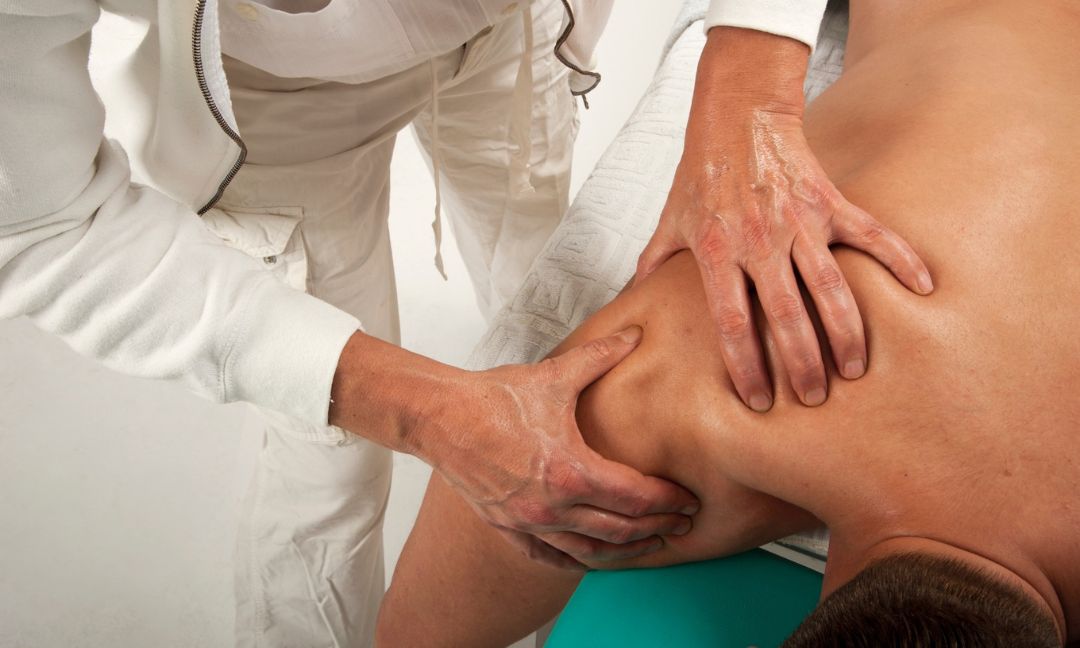
How effective is a rotator cuff tear repair?
Hello
I tell you the truth, we have never been a fan of surgery to repair most problems that cause pain.
The pain is always caused by something else and the surgery, like placing a bucket under a leaking roof, never fixes the cause but just repairs the damage because of the cause.Leaving the cause of the issue unresolvedand causing more damage by the very nature of surgery.
In this week’s article we will look at a study that examines how effective repairing rotator cuff tears are.
The name of the study is “The Factors Affecting the Clinical Outcome and Integrity of Arthroscopically Repaired Rotator Cuff Tears of the Shoulder”
In the study they looked at “One hundred sixty-nine consecutive shoulders that underwent arthroscopic rotator cuff repair, had a postoperative MRI evaluation and were followed for at least two years were enrolled in this study.”
They found that “The rotator cuff was completely healed in 131 (77.5%) out of 169 shoulders and recurrent tears occurred in 38 shoulders (22.5%).” So, tears still reoccur even after the repair, like the cause wasn’t addressed.
“The complete healing rate was 87.8% in the group less than 50 years of age (49 shoulders), 79.4% in the group over 51 years but less than 60 years of age (68 shoulders), and 65.4% in the group over 61 years of age (52 shoulders, p = 0.049); it was 96.7% in the group with small-sized tears (30 shoulders), 87.3% in the group with medium-sized tears (71 shoulders), and 58.8% in the group with large-sized or massive tears.” This tells me that the older you are and the larger the tear, the more likely it won’t heal.
They concluded that “Arthroscopic repair of full-thickness rotator cuff tears led to a relatively high rate of recurrent defects.” This might be because the cause of the tear was never addressed.
Knowing all this, do you think surgery is the right option for you?
OR do you want to try something else?
Jason
